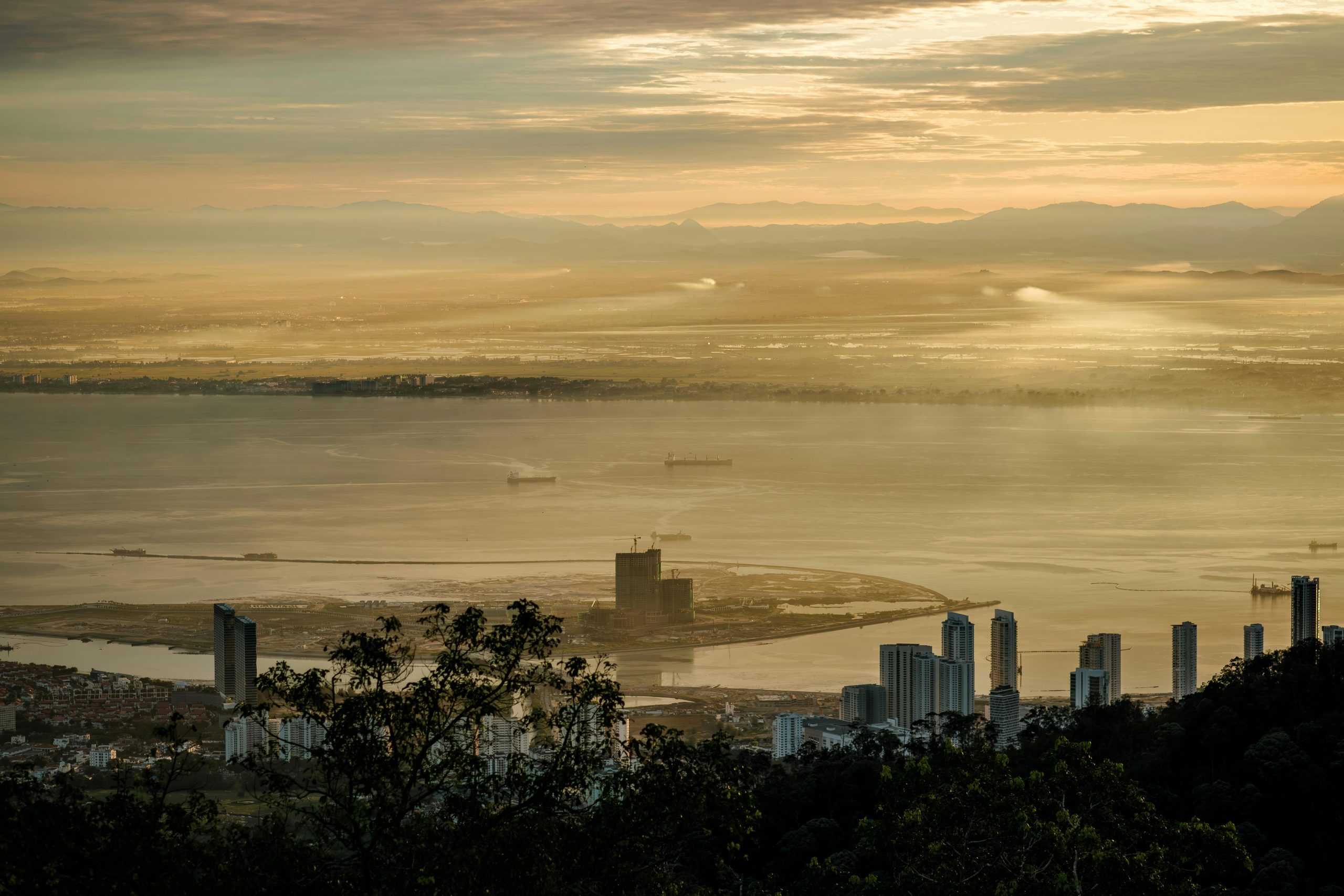
Penang Weather Is About Understanding, Not Avoiding
Penang is one of those places people visit all year round, but the experience can feel very different depending on the weather. I’ve always felt that Penang doesn’t really have a “bad” season to visit, only seasons that suit different travel styles better. Once you understand how the weather works here, planning a trip becomes much easier and far less stressful.
A Tropical Climate That Rarely Changes Drastically
Penang has a tropical climate, which means it’s warm and humid throughout the year. Temperatures don’t swing wildly like they do in countries with four seasons. Most days sit comfortably between the high twenties and low thirties Celsius, and even at night it rarely feels cold. What changes instead is rainfall and humidity, and that’s what most travellers really notice.
December to February: The Easiest Time for First-Time Visitors
The months from December to February are often considered the best time to visit Penang, especially for first-time visitors. During this period, rainfall is generally lower and the days feel more predictable. You can plan full-day sightseeing without constantly checking the sky, and walking around George Town is much more enjoyable when rain is less of a concern. This is also when Penang feels busier and more touristy, with higher hotel rates and fuller attractions.
March to May: Hotter Days, Fewer Crowds
March to May is what I would call the transition period, and it’s actually one of my favourite times to be in Penang. The weather becomes noticeably hotter, and humidity increases, but rainfall is still manageable. Short afternoon showers are common, yet they rarely disrupt an entire day. These months feel less hectic than peak season, and accommodation is often easier to find at better value.
June to August: Rain That Comes and Goes
From June onwards, Penang gradually moves into wetter months. Many people assume this means constant rain, but that’s rarely the case. Rain usually arrives in short, heavy bursts and clears fairly quickly. Mornings are often dry, which makes early sightseeing a smart strategy. With some flexibility, travel during this period can still be very enjoyable.
September and October: The Wettest Period
September and October are typically the wettest months of the year. This is when rain is more frequent, and outdoor plans benefit from having backups. On the positive side, tourist numbers are lower and the island feels quieter. If your focus is on food, cafés, museums, and slower exploration rather than beaches, the weather becomes less of a limitation.
November: The Transition Back to Drier Days
November marks the gradual shift away from the wettest season. Rainfall is still present, but it tends to be less intense and less persistent. As the month progresses, conditions improve and travel activity starts picking up again. By December, Penang feels refreshed and ready for peak season once more.
How Weather Feels Different Across Penang
Weather affects different parts of Penang in different ways. George Town’s dense streets can feel warm and humid regardless of season, especially around midday. Early mornings and late afternoons are always the most comfortable times to explore. During hotter months, breaking the day into indoor and outdoor activities makes a noticeable difference.
Beach Areas Are More Weather-Dependent
Coastal areas like Batu Ferringhi are more sensitive to weather changes. During drier months, beach conditions are more reliable and enjoyable. In wetter months, beach time becomes unpredictable. If the beach is central to your trip, choosing a drier period matters more. If it’s a bonus rather than a priority, the impact is much smaller.
Heat Matters as Much as Rain
One thing many travellers underestimate is how draining the heat can be. Even during the best weather months, midday temperatures can sap energy quickly. I’ve learned that slowing down, taking breaks, and staying hydrated often matters more than trying to follow a packed itinerary.
Packing Smart for Penang’s Climate
Packing for Penang becomes simple once you accept the climate. Light, breathable clothing is essential, and comfortable walking shoes are more important than style. Sunglasses and sunscreen are useful year-round. During wetter months, a compact umbrella or light rain jacket is worth having on hand.
Choosing the Best Time Depends on Travel Style
In my experience, the best time to visit Penang depends on what you want from the trip. December to February offers the smoothest experience. March to May balances weather and crowd levels well. Even the wetter months can work if you value quieter streets, flexibility, and better hotel value.
Rain Rarely Ruins the Experience
Penang isn’t a destination where rain shuts everything down. Food still tastes great, cafés remain lively, and daily life continues as usual. Rain often becomes part of the rhythm rather than a disruption, especially once you adjust expectations.
Final Thoughts on Penang Weather
The best time to visit Penang depends largely on what kind of experience you are looking for, but for most travellers, the period between December and February offers the most comfortable and predictable conditions. During these months, Penang experiences lower rainfall compared to the rest of the year, making it easier to plan full days of sightseeing, walking, and outdoor activities without worrying too much about sudden downpours. The weather is still warm, as Penang is tropical year-round, but the heat tends to feel more manageable, especially in the mornings and evenings. This makes exploring George Town’s heritage streets, enjoying open-air food centres, or spending time along the coast much more pleasant.
It is also the time when Penang feels the most lively, with festivals, events, and a steady flow of visitors creating an energetic atmosphere. However, this popularity comes with trade-offs. Hotels tend to be busier, room rates are generally higher, and popular attractions can feel crowded, particularly during school holidays and festive periods. For travellers who value convenience, good weather, and a smooth first impression of the island, this is often a worthwhile compromise. That said, those who prefer fewer crowds and better value may find the shoulder months of March to May equally appealing. While temperatures are slightly hotter and humidity is higher, rainfall is still relatively manageable, and the island feels less hectic. Ultimately, while December to February is widely considered the best time to visit Penang, the “right” time is as much about travel style and expectations as it is about the weather itself.